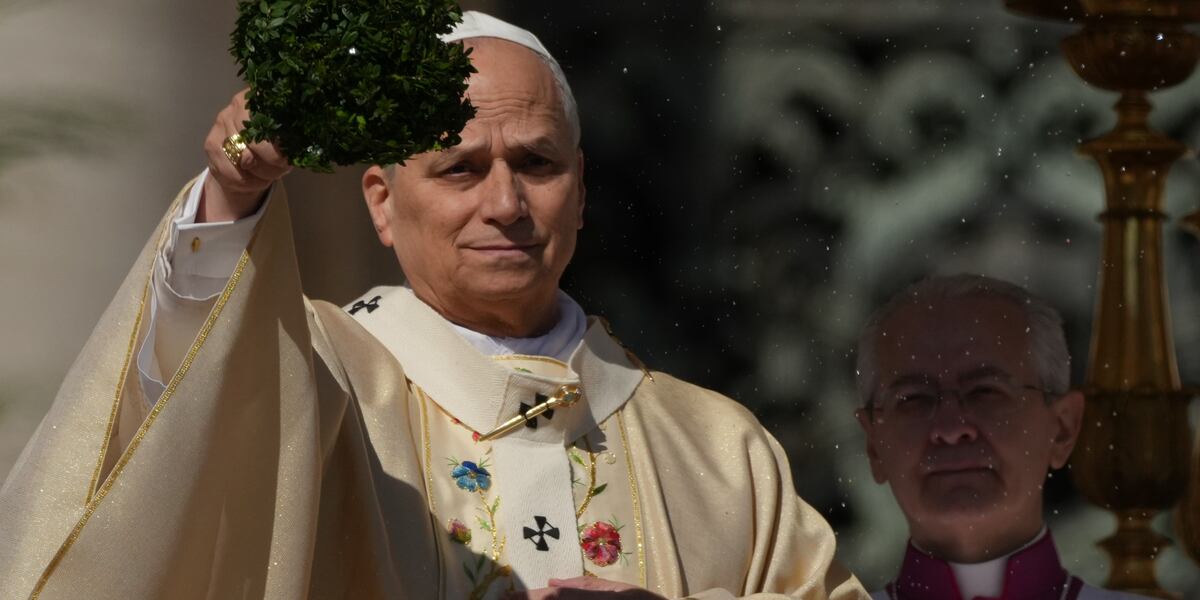
Pope Francis' Easter Mass & Urbi et Orbi: Your Guide to Televised Broadcasts
As Easter approaches, millions of faithful around the globe eagerly anticipate the opportunity to participate in the spiritual richness of Holy Week and Easter celebrations. For many, this means tuning into the solemn yet hopeful "Ostergottesdienste Im Fernsehen" – Easter services on television – with a particular focus on the Vatican's most iconic events: Pope Francis' Easter Mass and his traditional Urbi et Orbi blessing. These broadcasts offer a unique window into the heart of the Catholic Church, connecting believers worldwide to the spiritual center in Rome and offering messages of peace, reflection, and renewal. Even as in-person attendance at churches has largely resumed post-pandemic, the power of televised services remains undiminished, providing comfort and spiritual nourishment to a vast audience.
A Global Gathering: Pope Francis' Easter Mass and Urbi et Orbi
The centerpiece of Easter Sunday for Catholics and many others is the solemn Easter Mass celebrated by Pope Francis in St. Peter's Square. This magnificent event is more than just a religious ceremony; it's a profound visual and spiritual spectacle. Imagine St. Peter's Square transformed into a breathtaking "Blumenmeer" – a sea of tens of thousands of vibrant tulips, hyacinths, daffodils, roses, and orchids. This stunning floral display, often meticulously arranged by contributions from places like the Dutch Friesian Church in Rome, symbolizes resurrection, new life, and the vibrant hope of Easter. Against this spectacular backdrop, Pope Francis presides over the liturgy, delivering a message that resonates far beyond the confines of Vatican City.
Following the Easter Mass, the Pope imparts the apostolic blessing known as "Urbi et Orbi". Translating to "To the City and to the World," this special blessing is traditionally given only on significant occasions, such as Easter, Christmas, and after a Pope's election. It's a moment of profound spiritual importance, conveying plenary indulgence under specific conditions to those who receive it devoutly, whether present in St. Peter's Square or connected via television, radio, or the internet. In recent years, particularly in light of global conflicts like the war in Ukraine, the Urbi et Orbi message often carries a powerful plea for peace, reconciliation, and human dignity, making its televised delivery all the more poignant and essential for a global audience seeking hope.
Where and When to Watch: Your Essential Broadcast Guide
For those wishing to witness these pivotal moments, various German broadcasters, among others, offer comprehensive coverage. Understanding the schedule is key to ensuring you don't miss out on these significant Easter services on TV.
ARD and ZDF: Germany's Primary Channels
Germany's public broadcasters, ARD and ZDF, are central to the transmission of Easter services. While their schedules include a range of Protestant and Catholic services, the papal events are a major highlight:
- Good Friday: ARD typically broadcasts an Evangelical service in the morning, often from significant locations like the Genezareth-Kirche in Berlin-Neukölln. Additionally, the full broadcast schedule might include Catholic services or a special broadcast of Pope Francis leading the Way of the Cross from Rome. Deutschlandfunk also offers live radio broadcasts of services during this time.
- Easter Sunday: The most anticipated event is undoubtedly the live transmission of Pope Francis' Easter Mass from Rome, followed by the Urbi et Orbi blessing. ARD usually begins its coverage around 10:00 AM (CET) for this pivotal event. ZDF also provides an Evangelical service, for instance, from Ingelheim, featuring prominent religious leaders like Hessen-Nassau's Church President Volker Jung, often starting around 9:30 AM (CET).
- Easter Monday: ARD continues its extensive coverage with another Evangelical service, frequently focusing on themes of peace and current global events, such as "Friede sei mit Euch – Ostern und der Krieg" (Peace Be With You – Easter and the War), broadcast from locations like Schwerte, typically around 10:00 AM (CET). The Deutschlandfunk often features a Catholic service to conclude the Easter weekend broadcasts.
Bayerischer Rundfunk (BR): A Closer Look
Bayerischer Rundfunk (BR) often provides dedicated coverage, particularly for the Roman events. BR Fernsehen specifically highlights the live broadcast from Rome on Easter Sunday, starting around 10:00 AM (CET). Their coverage includes both the Papal Mass and the Urbi et Orbi blessing. For German-speaking viewers, the commentary provided by experts like Monsignore Erwin Albrecht and Elisabeth Möst adds valuable insights into the rituals and significance of the events, enriching the viewing experience. BR's commitment extends to Good Friday evening, often showing Pope Francis praying the Way of the Cross in Rome around 9:10 PM (CET), allowing deeper engagement with Holy Week traditions.
Beyond Traditional TV: Online Streaming and Radio
In our digital age, participation in "Ostergottesdienste Im Fernsehen" extends beyond conventional television sets. Many religious institutions and broadcasters offer online streaming options:
- Deutsche Bischofskonferenz: The German Bishops' Conference often streams services from various cathedrals, such as the Limburger Dom, directly on their Facebook channel. These streams include Maundy Thursday Mass, Good Friday Liturgy, Easter Vigil on Holy Saturday, and Easter Sunday Mass, providing comprehensive digital access.
- Radio Broadcasts: For those who prefer audio, radio programs continue to be a vital source. Deutschlandfunk frequently broadcasts services, and regional public radio stations, such as the ORF Regionalradios in Austria (Tyrol, Burgenland, Carinthia), offer localized Easter worship services, often from significant regional churches or seminaries.
These diverse platforms ensure that even if you cannot attend in person, you can still find a way to connect spiritually, a practice that became particularly crucial during the initial COVID-19 lockdowns when broadcasters significantly expanded their offerings. In 2020, over eight million viewers tuned into Evangelical and Catholic services from Good Friday to Easter Monday, highlighting the critical role of televised and streamed worship during times of restricted gathering.
The Enduring Significance of Televised Easter Services
The continued importance of Easter services on TV, from war themes to papal blessings, cannot be overstated. They serve multiple vital functions in contemporary society.
Bridging Distances and Fostering Community
Televised services fundamentally democratize access to worship. They allow the elderly, the sick, those with mobility challenges, and individuals living in remote areas to participate in religious observances that would otherwise be inaccessible. This reach extends globally, enabling Catholics and Christians worldwide to feel connected to the universal Church and its leader, Pope Francis. The ability to share in the Mass and the Urbi et Orbi blessing with millions simultaneously fosters a sense of global spiritual community, reinforcing shared faith and solidarity.
A Message of Hope in Challenging Times
Beyond convenience, these broadcasts deliver crucial messages of hope and resilience. In a world grappling with numerous crises – from conflicts and economic uncertainties to social divisions – the Pope's Easter message, often delivered during the Urbi et Orbi, provides a moment of reflection and a call for peace. The explicit inclusion of themes like "Ostern und der Krieg" (Easter and the War) in some Protestant services demonstrates the Church's commitment to addressing contemporary global challenges directly, offering spiritual guidance and solace.
Maximizing Your Easter Viewing Experience (Tips & Insights)
To make the most of the "Ostergottesdienste Im Fernsehen," consider these practical tips:
- Check Local Listings: While the general schedules for ARD, ZDF, and BR are provided, always cross-reference with your local TV guide or online program schedule a few days before Easter, as timings can sometimes vary slightly or be subject to last-minute changes.
- Prepare Your Space: Create a reflective atmosphere at home. You might light a candle, have your Bible ready, or simply ensure a quiet environment free from distractions. This can help transform a simple viewing into a deeply personal spiritual experience.
- Explore Online Alternatives: If you miss a live broadcast or prefer to watch at a different time, many broadcasters offer their services on-demand via their media libraries or YouTube channels. The Vatican also has its own official channels for papal events.
- Understand the Context: Before or after watching, take a moment to understand the historical and theological significance of the events. Knowing the symbolism behind the Way of the Cross, the Easter Vigil, or the Urbi et Orbi blessing can greatly deepen your appreciation and engagement.
Whether you're drawn to the solemnity of Good Friday, the joyous celebration of Easter Sunday Mass, or the global message of peace from the Urbi et Orbi, the comprehensive coverage of "Ostergottesdienste Im Fernsehen" ensures that the spirit of Easter can be experienced by everyone, everywhere.
The broadcasts of Pope Francis' Easter Mass and the Urbi et Orbi blessing, along with a multitude of other Christian services across various channels, represent a cornerstone of Easter traditions for millions. These televised and streamed events not only provide essential access to worship but also serve as powerful conduits for messages of faith, hope, and peace in an often tumultuous world. As Easter Sunday draws near, tuning in becomes a shared act of devotion, connecting countless individuals in a global celebration of renewal and spiritual reflection.